The early signs of liver damage include fatigue, appetite loss, nausea, abdominal pain, dark urine, pale stool, itchy skin, jaundice, and brain fog. Detecting these symptoms early can prevent serious conditions like cirrhosis, liver failure, and non-alcoholic fatty liver disease (NAFLD).
Your Liver Doesn’t Scream — it whispers.
Your liver doesn’t scream for help — it whispers.
And most people ignore those whispers.
That’s what makes liver disease so dangerous.
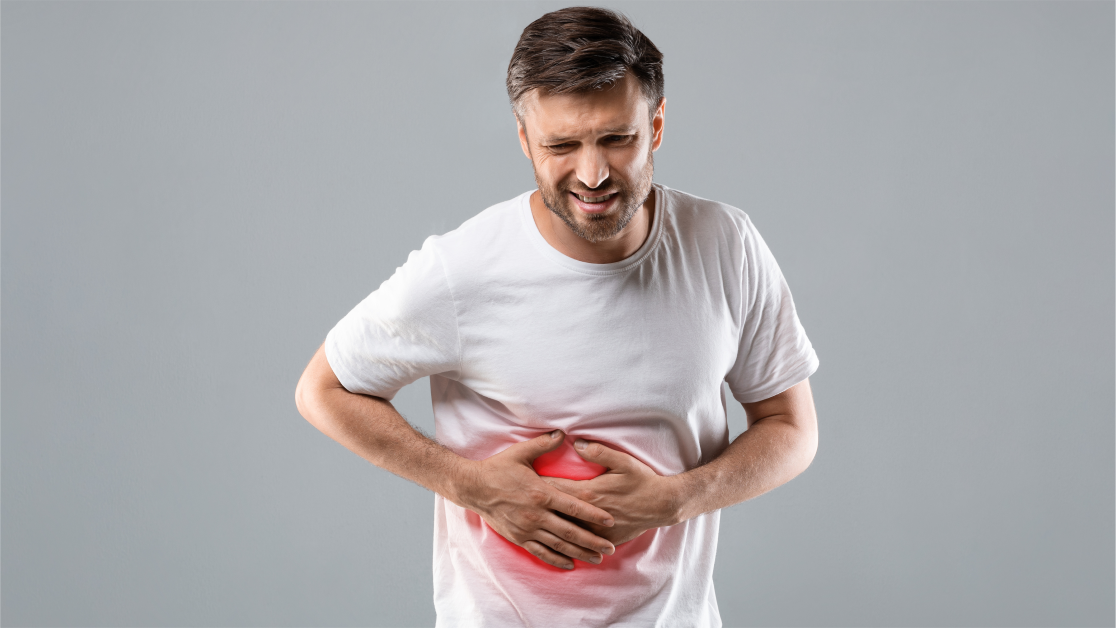
Unlike other organs that trigger immediate pain, the liver silently deteriorates over time. The early signs of liver damage often feel harmless—fatigue, bloating, or slight discomfort. Because these symptoms are easy to dismiss, many people don’t take action until the condition becomes serious.
By the time noticeable symptoms appear, the damage may already have progressed into advanced stages such as cirrhosis or chronic liver disease.
Understanding these early warning signals is not just helpful—it’s essential.
Why Your Liver Matters More Than You Think
Your liver is one of the most powerful organs in your body.
It performs more than 500 critical functions every day.
Key Functions of the Liver:
- Filters toxins from your bloodstream
- Breaks down nutrients from food
- Produces bile for fat digestion
- Regulates metabolism and blood sugar
- Stores vitamins and minerals
- Reduces oxidative stress (damage caused by free radicals)
When your liver starts to slow down, your entire body is affected—not just digestion, but energy levels, immunity, and even mental clarity.
This is why recognising liver damage symptoms early is critical.
What Causes Liver Damage (Most People Overlook This)
Most people associate liver damage with alcohol, but that’s only part of the story.
Today, lifestyle-related liver disease is rising rapidly.
Common Causes of Liver Damage:
- Non-alcoholic fatty liver disease (NAFLD) — the most common liver disorder globally
- Poor diet (processed foods, refined sugars, unhealthy fats)
- Obesity and insulin resistance
- Viral infections (Hepatitis B & C)
- Overuse of medications (painkillers, supplements)
Reality check: Even people who never drink alcohol are developing fatty liver disease due to sedentary lifestyles and poor nutrition.
Now Let’s Understand What Your Body Is Telling You
Now that you understand the causes, let’s look at how your body signals early liver trouble.
These symptoms may seem small individually, but together, they indicate early liver inflammation and dysfunction.

Early Signs of Liver Damage You Should Never Ignore
1. Persistent Fatigue (Most Ignored Sign)
Constant tiredness—even after proper sleep—is one of the earliest symptoms of liver damage in adults.
When the liver fails to detoxify your blood efficiently, toxins accumulate in your body, leading to low energy levels and chronic fatigue.
2. Loss of Appetite or Sudden Weight Loss
A sudden drop in appetite or unexplained weight loss is a red flag.
Your liver plays a key role in metabolism and digestion. When it’s not functioning properly, your body struggles to process nutrients.
3. Yellowing of Skin or Eyes (Jaundice)
This is one of the most visible signs of liver disease.
It occurs when bilirubin builds up in your bloodstream due to impaired liver function.
Jaundice is a serious symptom—seek medical help immediately.
4. Abdominal Pain or Swelling
Pain in the upper right side of your abdomen can indicate liver inflammation.
In advanced cases, fluid buildup (ascites) may occur, often linked to cirrhosis.
5. Dark Urine and Pale Stool
These are often overlooked but important warning signs.
- Dark urine → excess bilirubin
- Pale stool → reduced bile flow
These indicate impaired liver function.
6. Nausea, Bloating, and Digestive Issues
When bile production is disrupted:
- Digestion slows down
- Bloating increases
- Nausea becomes frequent
These are common early liver problems symptoms.
7. Itchy Skin (Hidden Warning)
Persistent itching without a rash may indicate liver dysfunction.
This occurs when bile salts accumulate under the skin.
8. Easy Bruising or Bleeding
The liver produces proteins responsible for blood clotting.
If you bruise easily, it may indicate reduced liver function.
9. Brain Fog and Mental Confusion
Difficulty concentrating, forgetfulness, or confusion—commonly called “brain fog”—can be early signs of toxin buildup.
This condition is linked to hepatic encephalopathy, a serious complication of liver disease.
The Most Dangerous Symptom Combination
Fatigue + digestive issues.
Most people treat these separately.
But together, they are one of the strongest early indicators of liver dysfunction.
When Should You See a Doctor?
Don’t wait for severe symptoms.
Seek medical help if you notice:
- Persistent fatigue
- Jaundice symptoms
- Unexplained weight loss
- Abdominal discomfort
If you have two or more symptoms, get tested immediately.
How to Detect Liver Damage
Early detection can prevent serious complications.
1. Liver Function Tests (LFT)
These blood tests measure enzyme levels.
Elevated:
- SGPT (ALT)
- SGOT (AST)
…indicate liver cell damage.
These are key markers of abnormal liver enzymes symptoms.
2. Imaging Tests
- Ultrasound
- CT scan
- MRI
These tests detect fatty liver, inflammation, or scarring.
3. Liver Biopsy
Used in advanced cases to confirm cirrhosis or severe liver damage.
Can Liver Damage Be Reversed?
Yes—if detected early.
The liver is one of the few organs that can regenerate itself.
However, this depends on early intervention and consistent lifestyle changes.
How to Repair and Protect Your Liver (Actionable Plan)
Diet That Supports Liver Health
- Cruciferous vegetables (broccoli, cauliflower)
- Leafy greens (spinach, kale)
- Healthy fats (walnuts, olive oil)
- Antioxidant-rich foods (berries)
Avoid:
- Processed foods
- Sugar and refined carbs
- Trans fats
Exercise Routine
- 30 minutes brisk walking daily
- Strength training 2–3 times per week
Lifestyle Habits
- Stay hydrated
- Maintain a healthy weight
- Avoid unnecessary medications
- Limit alcohol consumption
These habits help reduce oxidative stress and support liver repair.
What Most People Get Wrong
They wait.
They ignore early symptoms.
By the time they act, reversible conditions like NAFLD may progress into irreversible damage like cirrhosis.
Simple Tips to Prevent Liver Damage
- Drink enough water daily
- Eat clean, whole foods
- Get vaccinated for Hepatitis
- Do regular health checkups
- Listen to your body
Final Reality Check
Liver damage doesn’t happen overnight.
It develops slowly… silently… unnoticed.
The difference between recovery and serious disease is early action.
Your liver works silently every day to keep you alive.
Don’t ignore it when it starts giving signals.
Early detection can save your liver—and your life.
1. What are the earliest signs of liver damage?
Fatigue, nausea, appetite loss, and mild abdominal discomfort are the most common early signs.
2. Can liver damage heal naturally?
Yes, in the early stages, the liver can repair itself with proper lifestyle changes.
3. How do I confirm liver problems?
Through blood tests like LFT, imaging scans, and medical consultation.
4. Is fatty liver serious?
If left untreated, it can progress to severe conditions like cirrhosis or liver failure.
5. What foods are good for liver health?
Leafy greens, fruits, nuts, and whole grains support liver function.
6. How long does recovery take?
Recovery can take weeks to months depending on the severity and lifestyle changes.