Understanding Fatty Liver
Fatty liver disease is becoming increasingly common across India, affecting individuals of all age groups. Many people are diagnosed during routine health check-ups, often without any symptoms. This can lead to confusion, anxiety, and many questions about long-term health.
One of the most common concerns patients have is whether fatty liver reversal is possible without medication. The good news is that early-stage fatty liver can often be improved through natural and sustainable lifestyle changes. However, it is important to understand that there are no instant solutions. Recovery depends on consistency, awareness, and medically guided choices.
At EasyTreatment, we aim to provide reliable, patient-friendly guidance based on established Indian healthcare standards. This article follows recommendations from the Indian Council of Medical Research and the National Institute of Nutrition to ensure safe and practical advice for Indian patients.
What Is Fatty Liver Disease?
Fatty liver disease occurs when excess fat accumulates in liver cells. While a small amount of fat is normal, excessive fat can interfere with liver function and lead to inflammation or damage over time.
There are two main types of fatty liver disease. The first is non-alcoholic fatty liver disease, commonly referred to as NAFLD, which is most prevalent in India. It is linked to lifestyle factors such as poor diet, obesity, and lack of physical activity. The second type is alcoholic fatty liver disease, caused by excessive alcohol consumption.
In India, NAFLD has become a significant health concern due to changing lifestyles and dietary habits.
Symptoms of Fatty Liver
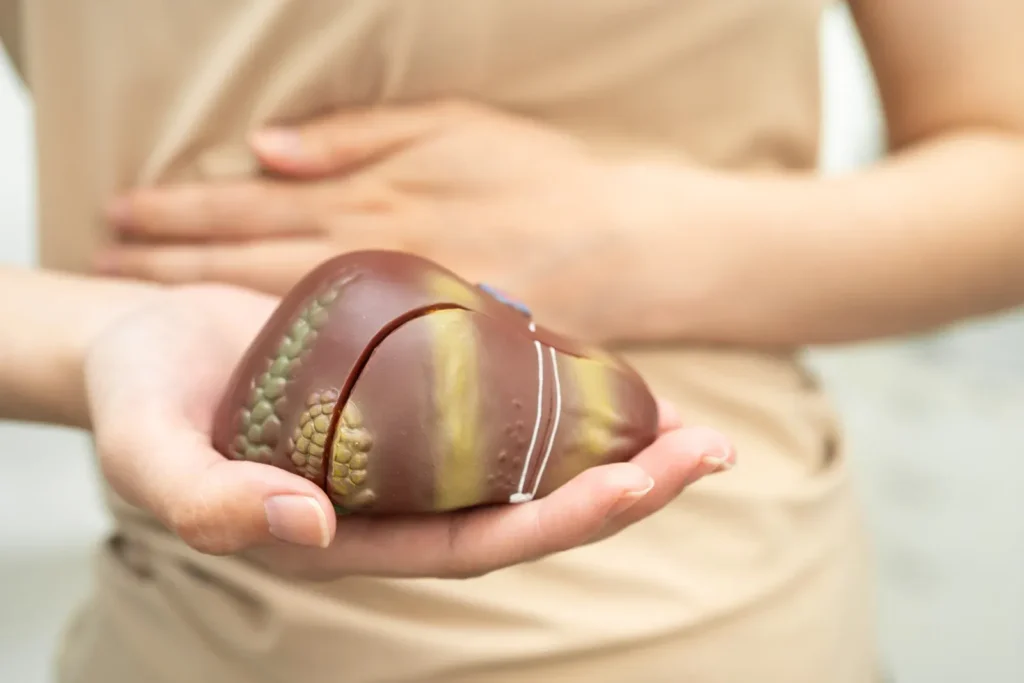
Fatty liver is often called a “silent condition” because it may not show noticeable symptoms in the early stages. However, some individuals may experience mild signs such as fatigue, weakness, or discomfort in the upper abdomen.
Because symptoms are not always present, many cases are detected through blood tests or imaging studies. This makes regular health check-ups important, especially for individuals with risk factors.
Causes and Risk Factors in India
Understanding the causes of fatty liver is essential for effective management and prevention.
Dietary Patterns
Indian diets often include high amounts of refined carbohydrates such as white rice, sugar, and processed foods. Excess intake of these foods can lead to fat accumulation in the liver.
Sedentary Lifestyle
Modern work routines often involve long hours of sitting and minimal physical activity. This reduces calorie expenditure and contributes to fat storage.
Insulin Resistance
Insulin resistance is a major factor in fatty liver disease and is commonly seen in Indian populations, even among individuals with normal body weight.
Obesity and Central Fat
Excess fat around the abdomen increases the risk of fatty liver and related metabolic conditions.
Genetic Factors
South Asians are more prone to developing metabolic disorders, which increases the likelihood of fatty liver.
Diagnosis of Fatty Liver
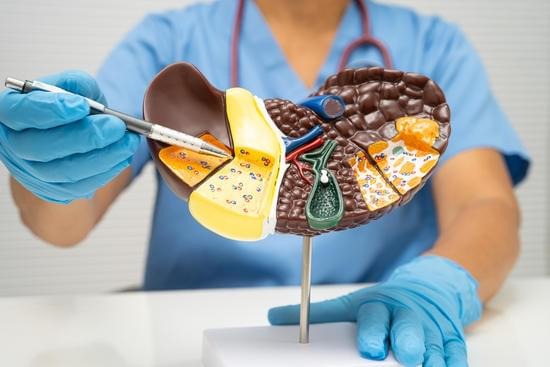
Fatty liver is usually diagnosed through a combination of medical history, physical examination, and diagnostic tests.
Doctors may recommend blood tests such as liver function tests to assess enzyme levels. Imaging tests like ultrasound are commonly used to detect fat accumulation in the liver. In some cases, advanced tests may be required to assess the severity of the condition.
Early diagnosis plays a key role in improving outcomes and supporting fatty liver treatment through lifestyle changes.
Can Fatty Liver Be Reversed Naturally?
In many cases, especially during the early stages, fatty liver can be improved through natural methods. The process of fatty liver reversal depends on consistent lifestyle changes rather than quick fixes.
Scientific evidence shows that weight management, a healthy diet, and regular physical activity can reduce liver fat and improve liver function. However, outcomes vary depending on the stage of liver disease and individual health factors.
Doctor-Backed Natural Management Strategies
Weight Management
Maintaining a healthy body weight is one of the most effective ways to support liver health. Even a moderate weight reduction can help reduce fat accumulation in the liver and improve metabolic health.
Gradual and sustainable weight loss is recommended rather than extreme dieting.
Balanced Indian Diet (NIN Guidelines)
According to the National Institute of Nutrition, a balanced diet plays a crucial role in liver health.
A typical Indian meal should include a variety of vegetables, whole grains, and protein sources. Vegetables should form a significant portion of the plate, along with adequate protein from sources such as lentils, eggs, or lean meat. Whole grains like millets and brown rice are preferred over refined grains.
Physical Activity
Regular exercise helps improve metabolism and reduces fat accumulation in the liver. Activities such as brisk walking, cycling, or yoga can be beneficial when performed consistently.
Experts generally recommend at least 30 minutes of moderate physical activity on most days of the week.
Reducing Sugar Intake
Excess sugar is converted into fat in the liver. Reducing the intake of sugary foods and beverages is essential for liver health.
Natural sources of sugar, such as fruits, can be consumed in moderation.
Avoiding Alcohol
Alcohol can worsen liver damage and should be avoided, especially in individuals diagnosed with fatty liver.
Sleep and Stress Management
Adequate sleep and stress management are often overlooked but play an important role in overall health. Poor sleep patterns and chronic stress can negatively affect metabolism and contribute to liver problems.
Role of Natural Liver Cleanse
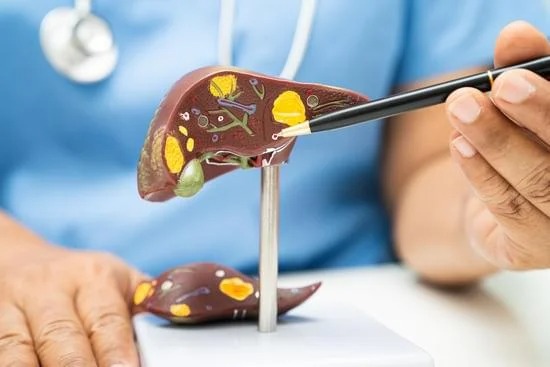
The concept of a natural liver cleanse is often misunderstood. The liver itself is a detoxifying organ and does not require special products or treatments to function properly.
Instead of relying on commercial detox products, supporting liver health through a balanced diet, hydration, and healthy lifestyle habits is more effective and scientifically supported.
Prevention of Fatty Liver
Preventing fatty liver involves adopting healthy habits early. Maintaining a balanced diet, staying physically active, and avoiding excessive consumption of unhealthy foods can reduce the risk.
Regular health check-ups help in early detection and timely intervention.
When to Consult a Doctor
It is important to seek medical advice if you are diagnosed with fatty liver or experience symptoms such as persistent fatigue or abdominal discomfort.
Individuals with diabetes, obesity, or high cholesterol should also consult a healthcare professional for proper evaluation and guidance.
Medical supervision ensures that lifestyle changes are safe and appropriate for individual health conditions.
Final Thoughts
Fatty liver is a common yet manageable condition when addressed early. The process of fatty liver reversal is achievable through consistent lifestyle changes, balanced nutrition, and regular physical activity.
Instead of focusing on quick solutions, adopting sustainable habits is the key to long-term liver health. Following guidance aligned with the Indian Council of Medical Research and the National Institute of Nutrition ensures that these changes are safe and effective for Indian patients.
If you are unsure about your condition or need personalised guidance, EasyTreatment can help you connect with experienced healthcare professionals across India. Seeking the right support at the right time can make your journey toward better liver health more confident and manageable.
Frequently Asked Questions
1. Is fatty liver a serious condition?
Fatty liver can become serious if ignored over time. Early management helps prevent complications and supports better liver health.
2. Can diet alone improve fatty liver?
Diet plays a major role in reducing liver fat. However, combining it with exercise gives faster and more effective results.
3. Is exercise necessary for liver health?
Yes, regular exercise helps reduce fat accumulation in the liver. It also improves metabolism and overall health.
4. Can slim individuals develop fatty liver?
Yes, fatty liver can occur even in people with normal weights. This is common in Indians due to metabolic factors.
5. Is rice completely restricted in fatty liver?
Rice is not completely restricted but should be eaten in moderation. Choosing whole grains like brown rice is a healthier option.
6. Are detox drinks helpful for fatty liver?
Most detox drinks are not necessary for liver health. A balanced diet and proper hydration are more effective and safe.